Selling a House With Aging Plumbing: Fix or Forget It?
Selling a home is already a big task, and aging plumbing can make things feel even more complicated. Old pipes, slow drains, low water pressure, and outdated materials often raise questions for buyers. Many homeowners wonder whether they should repair everything before listing or leave the system as-is and hope for the best. There is no single answer that works for every home. Your decision depends on cost, condition, market demand, and how fast you want the sale to happen. This guide walks through the key points so you can make a confident choice.
When Old Plumbing Becomes a Real Issue
One of the first steps is figuring out whether your plumbing is simply older or truly causing trouble. Not all old systems fail, although many do show signs of wear.
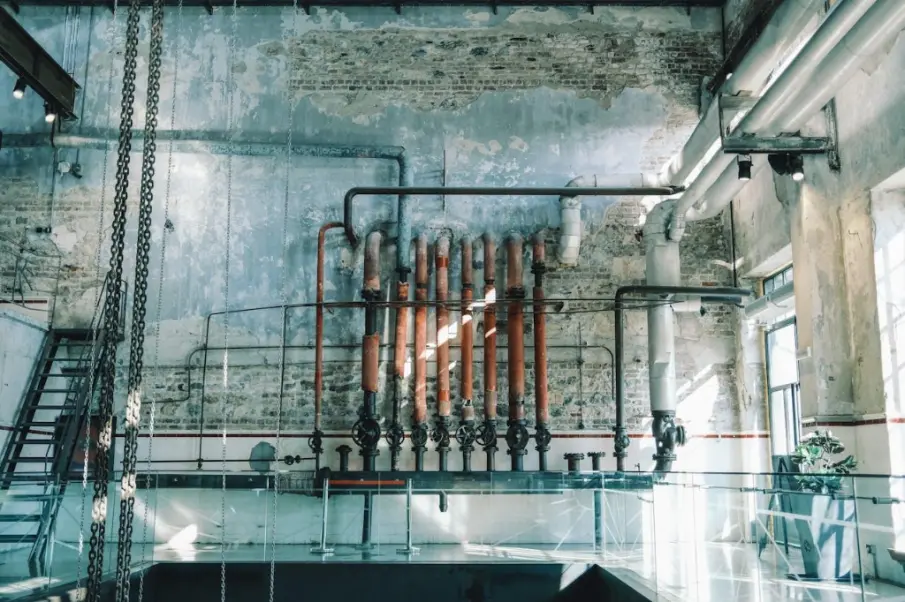
Common warnings include frequent clogs, pipes that rattle, rust-colored water, damp spots, or water pressure that changes suddenly. Some older homes have pipes made from materials that age poorly. Galvanized steel often corrodes inside, which restricts water flow. Cast-iron drain lines sometimes crack or collapse. Polybutylene pipes, popular in the 80s and 90s, have a history of sudden leaks.
Buyers tend to approach these red flags cautiously. Even if nothing is leaking today, the fear of a surprise repair later can lower interest. That is why some homeowners think about calling an investor who buys properties in any condition, such as John Buys Bay Area Houses.
Costs That Come With Updating Plumbing
A full plumbing replacement can be one of the more expensive upgrades in a house. The price depends on the size of the home, pipe access, and current layout. Replacing only visible sections is usually cheaper, although hidden pipes behind walls or under floors raise the final bill.
A licensed plumber can inspect your system and give an estimate. This is useful because many buyers will hire their own inspector. Knowing the condition beforehand helps you stay prepared instead of reacting at the last minute.
Some homeowners choose partial updates like replacing exposed pipes, updating old fixtures, or correcting slow drains. These small fixes can improve function without the cost of a major overhaul. While these upgrades do not turn an aging system into a new one, they help show buyers that the home has been cared for.
How Buyers Think When They Hear Old Plumbing
When buyers see older plumbing on a listing, several thoughts often come to mind. Some imagine large repair costs. Others picture water damage hiding inside walls. Even when the system still works, the suspicion alone can influence offers.
Real estate agents say that homes with modern systems often sell faster because plumbing feels like a behind-the-scenes necessity. Buyers do not usually want to open walls after moving in. They want reassurance that everything works smoothly.
Still, not every buyer avoids older systems. Investors, flippers, or buyers planning a full remodel already expect to update plumbing. These buyers look at long-term value instead of immediate comfort. Their choices often reflect broader trends in consumer behavior, which shift depending on market conditions and what buyers view as a worthwhile investment. Knowing which type of buyer your home will attract helps guide your decision.
Comparing Repair vs. No Repair
Repairing plumbing before listing has clear advantages. A newer system adds value, lowers buyer concerns, and helps your home compete with updated properties. You might receive higher offers or more attention. Choosing not to repair also has benefits. You avoid spending thousands upfront. Some markets are strong enough that buyers overlook older features because inventory is low. If your goal is to sell quickly and move on, skipping repairs can still work.
The real difference is what happens during negotiations. With updated plumbing, buyers rarely ask for repair credits. With older plumbing, buyers might request discounts or ask for repairs before closing. Some sellers find these conversations stressful, while others handle them easily.
Making Aging Plumbing a Selling Point Instead of a Problem
If you decide not to update the system, honesty goes a long way. Many sellers share recent maintenance records, inspection reports, and proof that the system has been functioning reliably. This reduces uncertainty.
Another strategy is to offer a home warranty that covers plumbing. It gives buyers peace of mind for the first year and often helps smooth the conversation. Some sellers choose to price the home slightly lower to reflect its condition, which attracts buyers who appreciate value. Buyers respond well when they feel informed. A clear, open explanation helps them judge the situation instead of fearing hidden issues.
When Fixing the Plumbing Makes the Most Sense
There are situations where repairing old plumbing is easier than avoiding it. Homes with active leaks, water stains, or visible corrosion usually fall into this category. These issues often show up immediately during inspections, which can delay or even cancel a sale.
If your home sits in a neighborhood where most houses have been remodeled, an aging system might stand out negatively. Updating it can help your property compete. It also makes sense to repair plumbing when you plan to target traditional buyers who want a move-in-ready home. These buyers usually pay higher prices when everything feels updated.
When Leaving It Alone Works Just Fine
On the other hand, aging plumbing does not always ruin a sale. Some homes have charm, great locations, or desirable layouts that overshadow old pipes. In competitive markets, buyers sometimes accept older features simply to secure a home. If the plumbing works reliably and shows no signs of imminent failure, you might decide that selling as-is is reasonable.
This approach often appeals to buyers planning renovations or buyers comfortable managing updates later. Selling the home to an investor is another route. Investors calculate repair costs into their offer and typically buy quickly without requesting major fixes.
A Straightforward Way to Decide
To choose the right approach, think about your goals. Do you want to maximize profit, or is speed more important? Are you prepared to handle potential repair requests during negotiations? Is your plumbing system showing active problems? Most homeowners benefit from getting a professional inspection before listing.
It provides clarity, helps you anticipate buyer concerns, and supports you during negotiations. Aging plumbing does not have to derail the sale. With the right strategy, clear communication, and realistic expectations, you can sell confidently whether you choose to fix the system or leave it as-is.
More to Read:


Previous Posts: